



















Seremban @ A Glance

Seremban was once known as Sungei Ujong, which translates to ‘Back River’. This prior name seems to be contrived from an incident in which an enormous Merbau Tua tree in Rembau fell into a river that transformed into a population area, developed around the treetop discovery area. However, the original name was believed to be Sang Hyang Hujung (meaning God’s Head), as stated in the ancient Nagarakretagama manuscript that was written in 1365. Regarding the origins of ‘Seremban’, one of the supposed tales is that it is named after a traditional local game called “Sarimban” that is often played by the Chinese community with the use of small stones.

Existing since the 14th century, Sungei Ujong has had a history of being under the jurisdiction of the Sriwijaya, Majapahit, Melaka and Johor government, in the correct chronological order. Before the British colonisation period, Sungei Ujong was considered the biggest and oldest administrative district that was ruled by those holding the Dato’ Kelana Putera title on land and the Dato' Syahbandar title on land. During the 1870s, the area prospered as a mining area with the discovery of tin ore and soon became a flourishing business centre. In 1900, Seremban officially became the capital of Negeri Sembilan. Back in 2020, the once small town of Seremban was officially declared a city.

<br />
<b>Deprecated</b>:  urldecode(): Passing null to parameter #1 ($string) of type string is deprecated in <b>/home/kltheguidecom/public_html/serembantheguide.kltheguide.com.my/highlights.php</b> on line <b>215</b><br />

Located in the western region of Negeri Sembilan, Seremban is not only known as a newly proclaimed city but it is also a district. It has an estimated landmass of 14,355.32 hectares.

General

Seremban, Rantau, Rasah, Pantai, Lenggeng, Ampangan, Setul and Labu. With reference to Seremban, it is located right in the middle of the district and surrounded by the other sub-districts.

Administrative Dicisions

Surrounded by Jelebu, Kuala Pilah, Rembau and Port Dickson -- these have been arranged in a clockwise order from North to South-West. Over in the North-Western region, Seremban shares a lengthy border with Kuala Lumpur.

Neighbouring Districts

Includes palm oil plantations, rubber plantations, rivers, mountains, forests, wetlands and beaches. The most prominent river is the Linggi River that runs through the district (including the Seremban area) from Pantai and ends at Kuala Linggi in Melaka. It is one of the last remaining rivers in Peninsular Malaysia to house a large number of saltwater crocodiles.

Terrains

The Seremban district has an estimated total of 630, 9999 residents with approximately 349, 168 of them living in the sub-district of Seremban, according to the findings made by the Department of Statistics Malaysia in 2020.

Population

The Malay community ranks as the overwhelming majority in terms of ethnicity, followed by Chinese, Indian and other ethnicities.

Ethnicity

Travel tips

Weather

Temperatures remain relatively high during the year, allowing you to visit Seremban at any time of year. For the most part of the year, the climate is warm and sunny. The temperature normally varies between 24°C and 32°C, and the humidity is high.


Website: https://www.ventusky.com/


Time Zone

Standard Malaysian Time is 8 hours ahead of GMT (GMT 8).

Location :


Website: https://www.timeanddate.com/


Exchanging Money

Exchanging money in Malaysia is relatively easy as you can find money changers easily. If you want to withdraw money, make sure your home bank ATM card is supported by banks in Malaysia. Also, bear in mind that your home bank can charge an overseas withdrawal fee. You may also realise that the Malaysian ATM adds its own fee. Ask your home bank before you leave what charges will be added-and check the ATM notices to understand any extra charges. Most places in Seremban accept debit
credit cards, just be sure to notify your home bank about your trip to avoid your transactions being barred and your card getting blocked.


Website: https://mtradeasia.com/


Currency

Malaysia’s currency unit is divided into two. The term Ringgit Malaysia (RM) is used to refer to paper money. The denominations are RM1, RM5, RM10, RM 20, RM 50 and RM100. Whereas the coins are referred to as sen (cents). The denominations are 5 sen, 10 sen, 20 sen and 50 sen.


Website: https://www.bnm.gov.my/


Visa and Passport

Passports must be valid for at least 6 months at the time of entry. Visa requirements vary from time to time, so it is best to check with the Malaysian embassy or consulate or the Immigration Department website.


Website: https://www.imi.gov.my/


Hotel

Be sure to have your hotel bookings printed. Booking a hotel in Seremban is easy, but if you are travelling during peak periods, you may want to book in advance to avoid disappointments. When booking a stay, be sure to check how far it is from the places you want to visit. Check if your hotel provides free Wi-Fi. Most hotels provide free Wi-Fi for their guests. But in case they don’t, you will need to purchase a prepaid phone line with a data plan. There’s a myriad of budget to 5-star hotels to choose from in Seremban.

Hotel

Internet

If you do not plan to switch on your roaming while you are travelling to Seremban, fret not as most hotels give you access to their Wi-Fi. Whilst most cafés in Seremban provide free Wi-Fi with the purchase of a drink or food. There are also many free Wi-Fi hotspot areas in Seremban so make sure to check out the area for free Wi-Fi. It is also advisable to buy a prepaid SIM card with a data plan to make things easier when you are on the go.

Internet

Comfortable Footwear

Since you will be doing a LOT of walking so you should consider wearing sensible shoes that are very comfortable. We recommend packing a pair of sneakers as well as flats and sandals.

Comfortable Footwear

Sunscreen

Make sure to pack in your sunscreen, especially if you don’t want to be sunburnt. The sun can be scorching hot at times.

Sunscreen

Raingear

Since the rain can be pretty unpredictable in Seremban, don’t forget to pack your raincoat or a travel-sized umbrella. You don’t want to be soaked to your skin if it rains suddenly.

Raingear

Medicine

DO NOT forget to pack your prescription tablets and any other medicines that you think you might need in case you fall sick.

Medicine

Clothing

The heat and humidity in Seremban can be intense. Therefore, be sure to pack light and breathable clothes that will help you stay cool and avoid heatstroke. Cotton is a good choice, as it is designed to absorb moisture. If your hotel comes with a swimming pool or you are planning to head to the beach, don’t forget to pack your swimsuit.

Clothing

Dialing Prefixes

Each city has its unique area code for landlines. 06 is Seremban area code followed by the eight-digit number when you call from your mobile phone. Example: 06-12345678 Whereas, every call to a mobile phone requires a three-digit prefix (Maxis = 012, Celcom = 019, DiGi = 016), followed by the seven-digit or eight-digit subscriber number. Example: 012-123 4567


Website: https://dialcode.org/


Emergency Number

Police/Ambulance: 999 (112 from a mobile phone) Fire and Rescue Department (Bomba): 994 (112 from a mobile phone) Civil Defence Tel: 991


Website: https://online.pubhtml5.com/xvgw/fahj/#p=1


Prepaid Sim Card

Malaysia mobile phones use the GSM network, if your phone has a roaming facility, it will automatically hook up to a local network. Otherwise, prepaid sim cards can be purchased starting at RM20 for registration and talk time. The three main phone providers in Malaysia are Maxis, Celcom and DiGi. Buying prepaid sim cards is easy since you can find kiosks selling prepaid sim cards almost everywhere.

Three Main Phone Providers: 1. Maxis
Hotlink 2. Celcom 3. Digi


Website: https://www.trustedmalaysia.com/best-prepaid-plans-malaysia/


Get to Seremban

Car

From: Kuala Lumpur - Seremban: 1 hour Shah Alam - Seremban: 1 hour 20 minutes Melaka - Seremban: 1 hour and 20 minutes

Remark: The time given above is the approximate time for travelling and it is depending on traffic.

Car

Public Transport: Combination of Plane, Bus and Taxi

From Kuala Lumpur International Airport (KLIA) to Terminal 1 Bus Seremban via taxi or e-hailing service. Alternatively, you can take a bus from KLIA to Terminal Bersepadu Selatan before taking another bus ride to Terminal 1 Bus Seremban. The overall journey should take about 50 minutes maximum, without factoring traffic.

Public Transport: Combination of Plane, Bus and Taxi

Train

From Kuala Lumpur Sentral to Seremban via the Keretapi Tanah Melayu (KTM) North-South Line. The overall journey should take about an hour.

Train

Must Try Snacks & Dishes

Kari Kepala Kambing

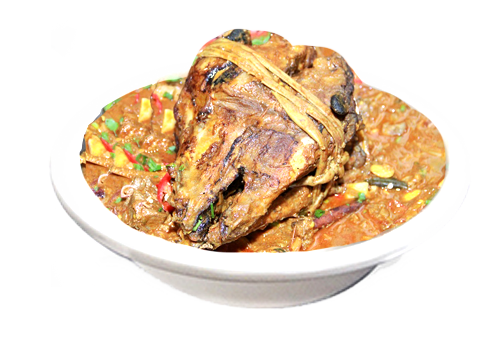
Be prepared for the unconventional dish of kari kepala kambing, quite literally translating to “goat’s head curry”. This traditional delicacy is roasted and charred before it is accompanied by potatoes, sambal belacan and eggplant.
Kari Kepala Kambing

Durian Mantin

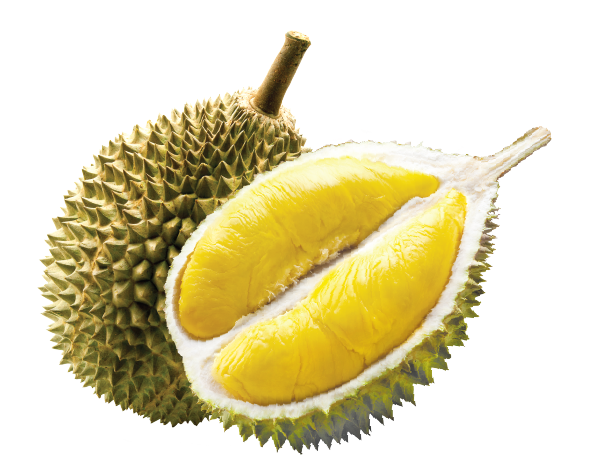
As there are many durian orchards in Mantin, be sure to get a taste of the various types of durian sold there such as durian kampung, D24, D101, and the most popular, Musang King.
Durian Mantin

Apam Johol

Formerly known as ‘apam daun rambai’, apam johol is a sweet fluffy cake made from wheat or rice flour and brown sugar. It is then steamed and presented within thin sheets of rambai leaves. It is sometimes eaten with rendang or sambal tumis.
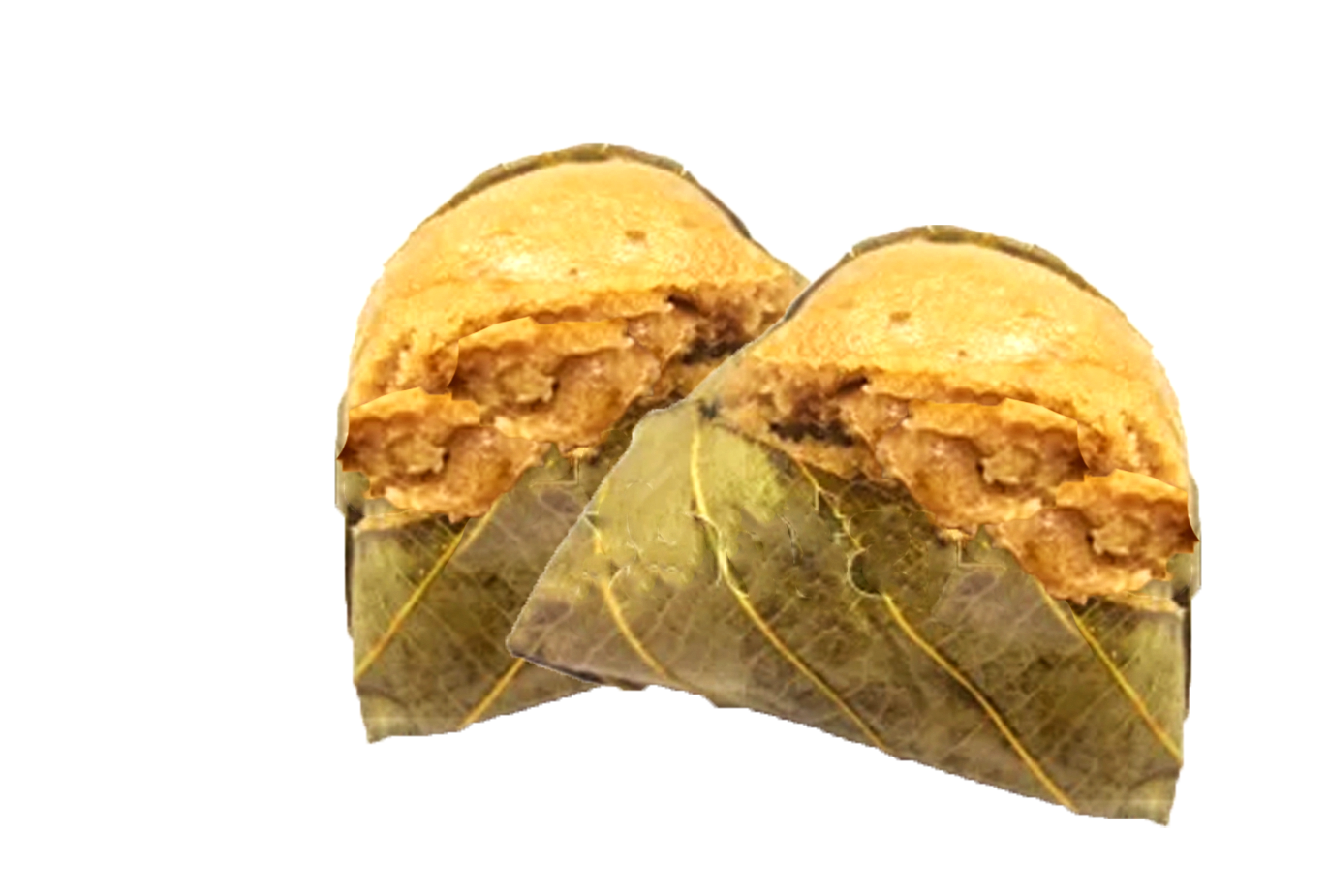
Apam Johol

Wajik

Originated from Indonesia, wajik is a sticky, brown-coloured sweet treat made from steamed glutinous rice cooked in coconut milk, palm sugar and pandan leaves. Once cooled, it is typically cut into the shape of a rhombus or diamond.

Wajik

Sambal Gesek

As a staple condiment used in most traditional state dishes, sambal gesek involves several ingredients such as fried anchovies, onions, cili padi and garlic being grounded together before the red paste is fried until an aromatic smell is formed.
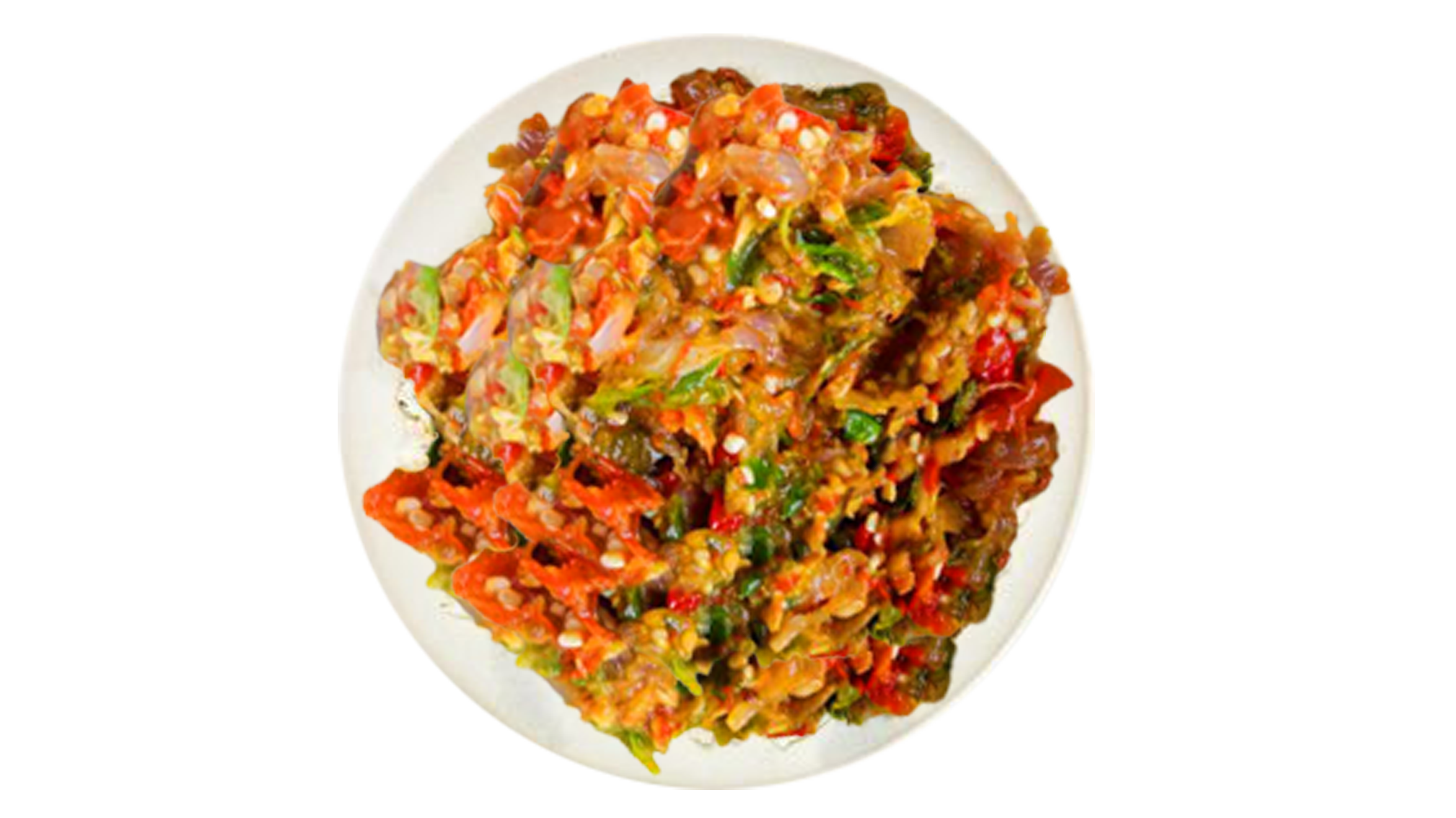
Sambal Gesek

Negeri Sembilan-Style Rendang

Using the Minangkabau method of cooking, the Negeri Sembilan-style rendang uses less spice but more ginger, lemongrass, galangal and santan. As opposed to the traditional rendang that adds chicken or beef, this version uses the more unconventional fern, duck and cassava shoots.
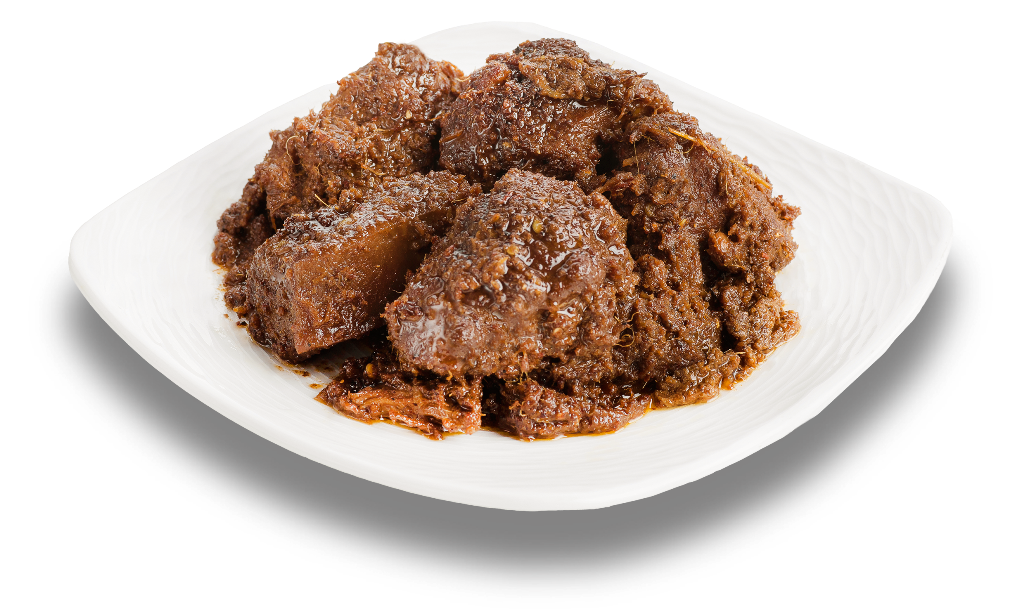
Negeri Sembilan-Style Rendang

Nasi Lemak Ikan Sembilang

While you may already be familiar with our nationally famous nasi lemak, the moderately spicy nasi lemak ikan sembilang includes an extra ingredient of fish, specifically the sambal fried ikan sembilang also known as ikan keli.
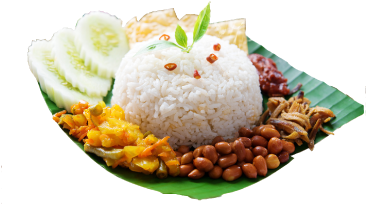
Nasi Lemak Ikan Sembilang

Sambal Tempoyak Daun Kayu

Made from shredded potato shoots (pucuk ubi) or cassava leaves, sambal tempoyak daun kayu is a side dish that is cooked with fermented durian (tempoyak), santan, lemongrass, garlic, shallots, petai, cili padi and turmeric.
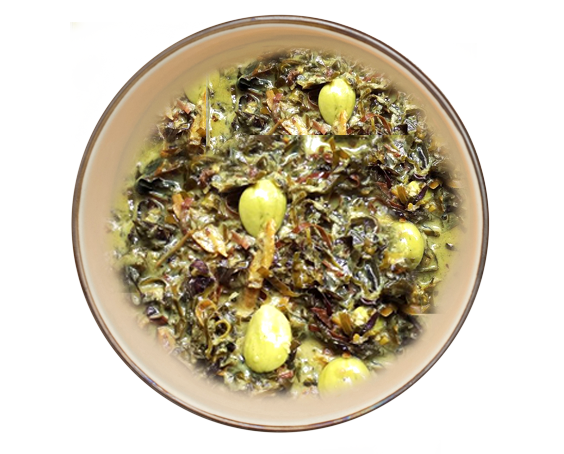
Sambal Tempoyak Daun Kayu

Hakka Mee

Simple yet hearty, Hakka mee is essentially flat yellow noodles that are tossed in a mixture of fish sauce, soy sauce and garlic sauce before it is sprinkled with a generous helping of fried minced pork and chopped scallions.
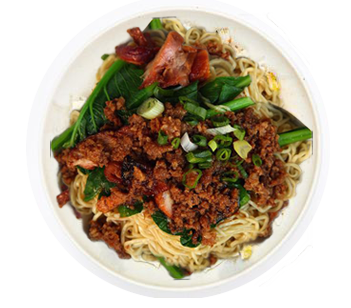
Hakka Mee

Yi Poh Mee

Incorporating thick noodles that have been greased in lard, Yi Poh mee is then tossed into a pool of thick, dark soy sauce. After that, it is topped with fried minced pork and barbeque pork slices or char siew before served with a small bowl of soup and sambal.
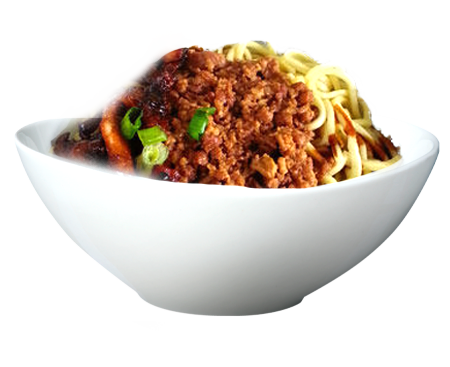
Yi Poh Mee

Mee Hoon Sotong

Using thin mee hoon or rice vermicelli, mee hoon sotong is a noodle dish drenched in a cuttlefish-flavoured broth and accompanied by slices of cuttlefish, braised pork and mustard greens as well as chili sauce for extra heat.
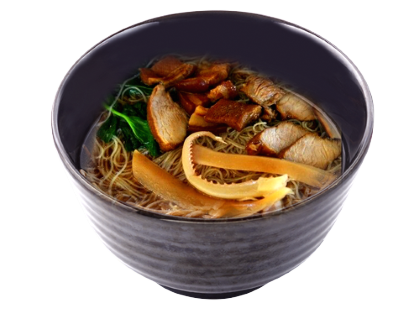
Mee Hoon Sotong

Beef Noodles

Often incorporating the smooth yet springy lai fun noodles, the beef noodles sold here come with slices of juicy beef with either the tendon, tripe or lean parts as well as thick, mildly spicy gravy. Whether you choose the dry or soup version, it is topped with crunchy peanuts, pickled or salted vegetables and sesame seeds.
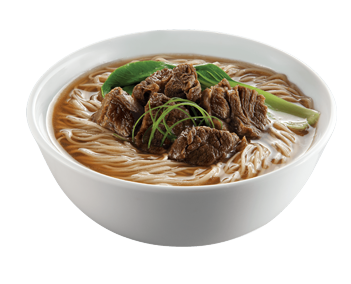
Beef Noodles

Siew Pao

Although the fluffy white siew pao is usually steamed, you can also find ones with a crispy baked exterior filled with savoury meat filling of either pork and chicken seasoned with oyster sauce, dark soya sauce and 5-spice powder. Additionally, there are sweet flavours available such as red bean and kaya.
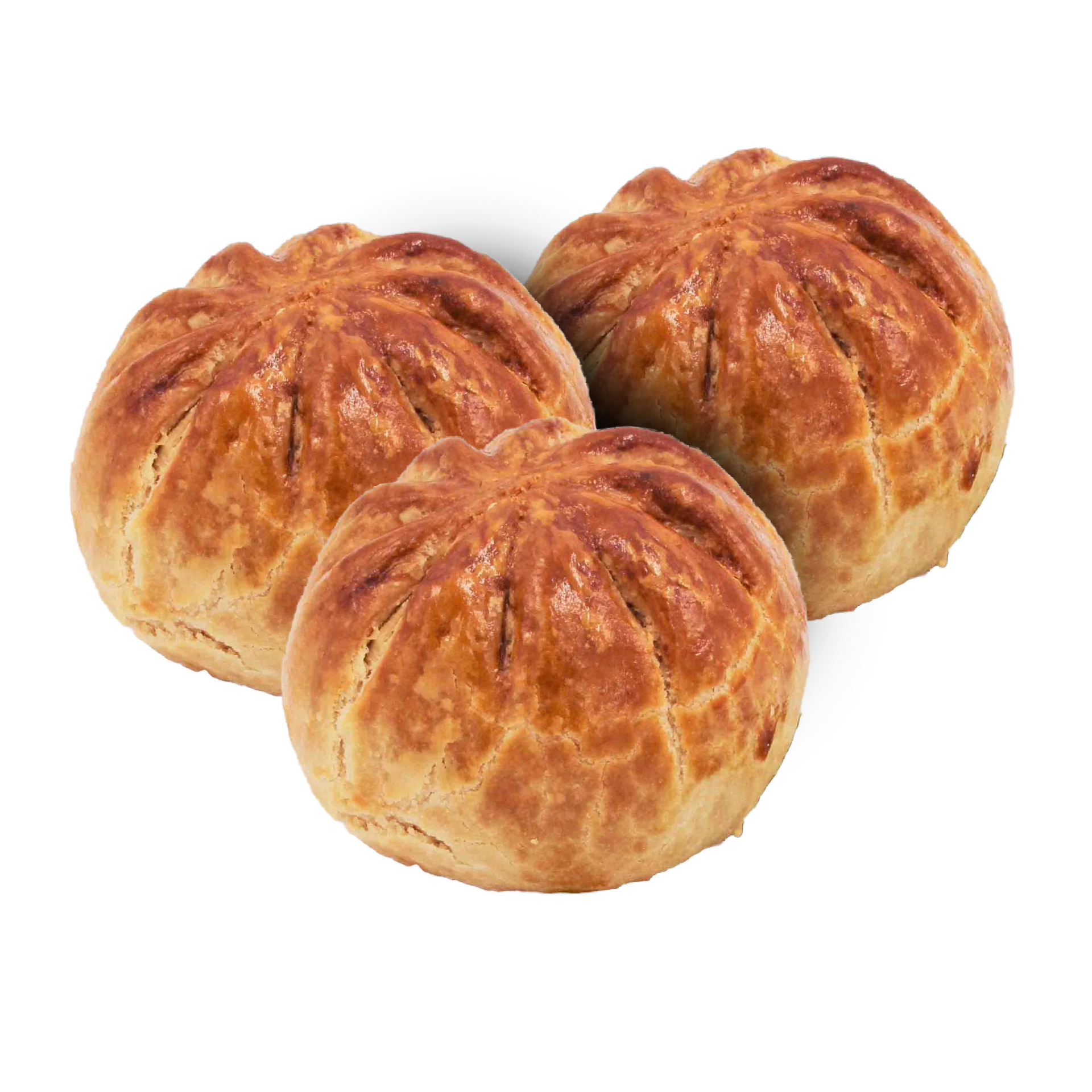
Siew Pao

Kuih Sopang

Another delicious, sticky but white-coloured dessert is kuih sopang. Molded into a semi-circle shape, it is made from glutinous rice flour, bananas and gula melaka or brown sugar before it is filled with grated coconut. It is served in a gravy of thick coconut milk.
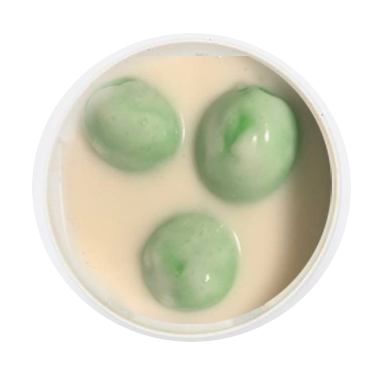
Kuih Sopang

Dodol

As another national classic, dodol is a palm sugar-based confectionery that is brown in colour and possesses a toffee-like consistency. It is made from coconut milk and rice flour before it is molded into small pyramids. Feel free to try more exotic flavours such as durian or pandan.

Dodol

Salai Daging dan Itik

As the clue is in its name, ‘salai daging dan itik’ actually translates to ‘smoked beef and duck’. Cooked over a charcoal flame, these succulent meats are often seasoned with mild spices to become the main staple dish.
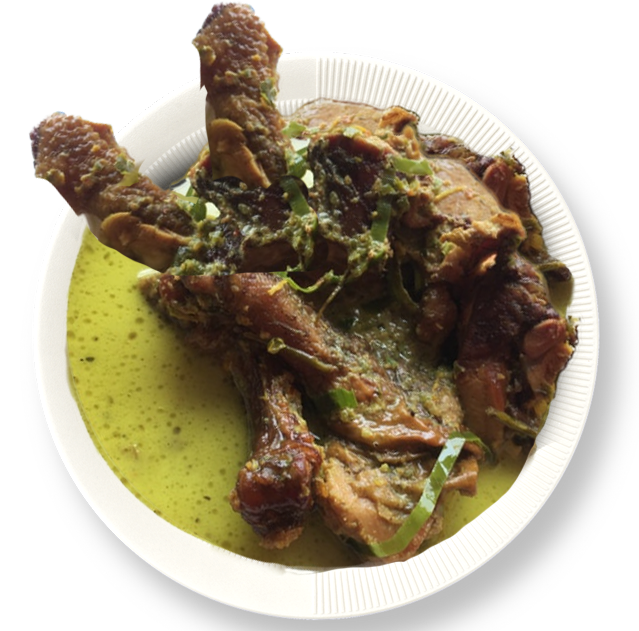
Salai Daging dan Itik

Satay Tulang

While you may have tasted the typical satay made from chicken, beef and lamb, feel free to try out the locally popular satay tulang. Translating to ‘bone satay,’ the meat comes with crushed rib bones and is accompanied by the usual side dishes of nasi impit, cucumber, onions and peanut sauce.
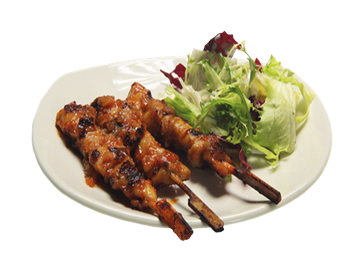
Satay Tulang